

Touchless & Smart Access Elevators: Post-Pandemic Design Innovations
The pandemic did not invent hygiene concerns, but it made people acutely aware of them.
- Buttons touched by hundreds of hands.
- Crowded elevator cabins.
- Uncertainty about shared spaces.
In response, elevator design began to shift, not as a reactionary trend, but as a long-overdue evolution in user experience and access control.
Touchless and smart access elevators are the result of that shift.
What Are Touchless & Smart Access Elevators?
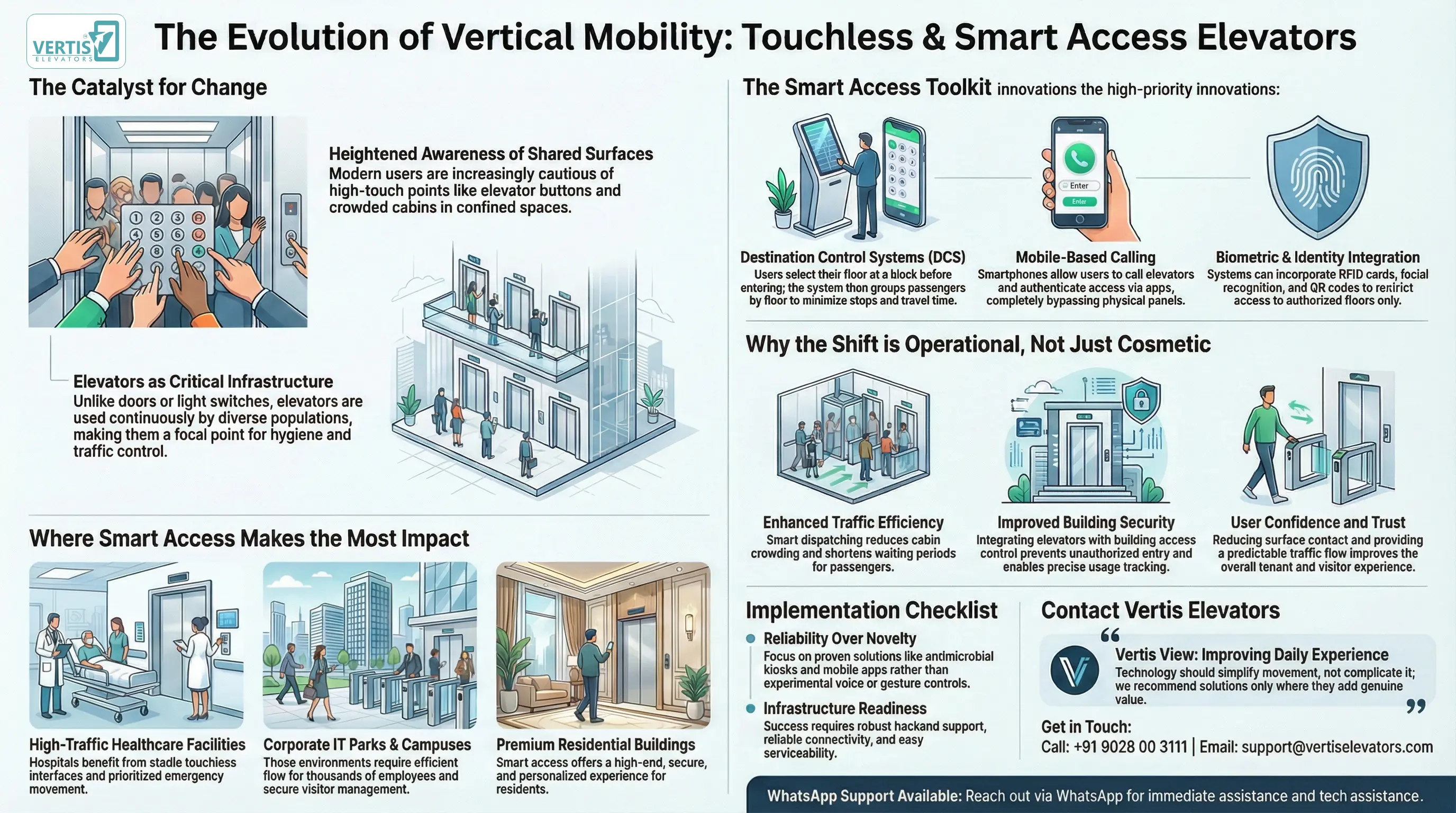
Touchless and smart access elevators reduce or eliminate physical contact with traditional elevator controls by using digital, sensor-based, or identity-driven interfaces.
These systems can include:
- Destination control panels
- Mobile phone-based call systems
- Access cards or biometric authentication
- Voice or gesture-based commands
- Integration with building access control systems
The goal is simple:
Safer, smoother, and more controlled vertical movement.
Why This Shift Was Inevitable?
Elevators serve as shared infrastructure. Unlike doors or switches, they are:
- Used continuously
- Used by diverse populations
- Used in confined spaces
Post-pandemic design thinking prioritizes:
- Reduced surface contact
- Controlled access
- Predictable traffic flow
- User confidence
Touchless technology is not just about hygiene—it is about control and trust.
Destination Control Systems: The Core Innovation
One of the most impactful changes in modern elevators is destination-based dispatching.
Instead of pressing “Up” or “Down”:
- Users select their destination floor
- The system assigns the most efficient elevator
- Grouping passengers going to similar floors
Benefits:
- Fewer stops
- Shorter travel times
- Reduced cabin crowding
- Improved energy efficiency
This system also reduces the need for in-cabin button usage.
Mobile-Based Elevator Access
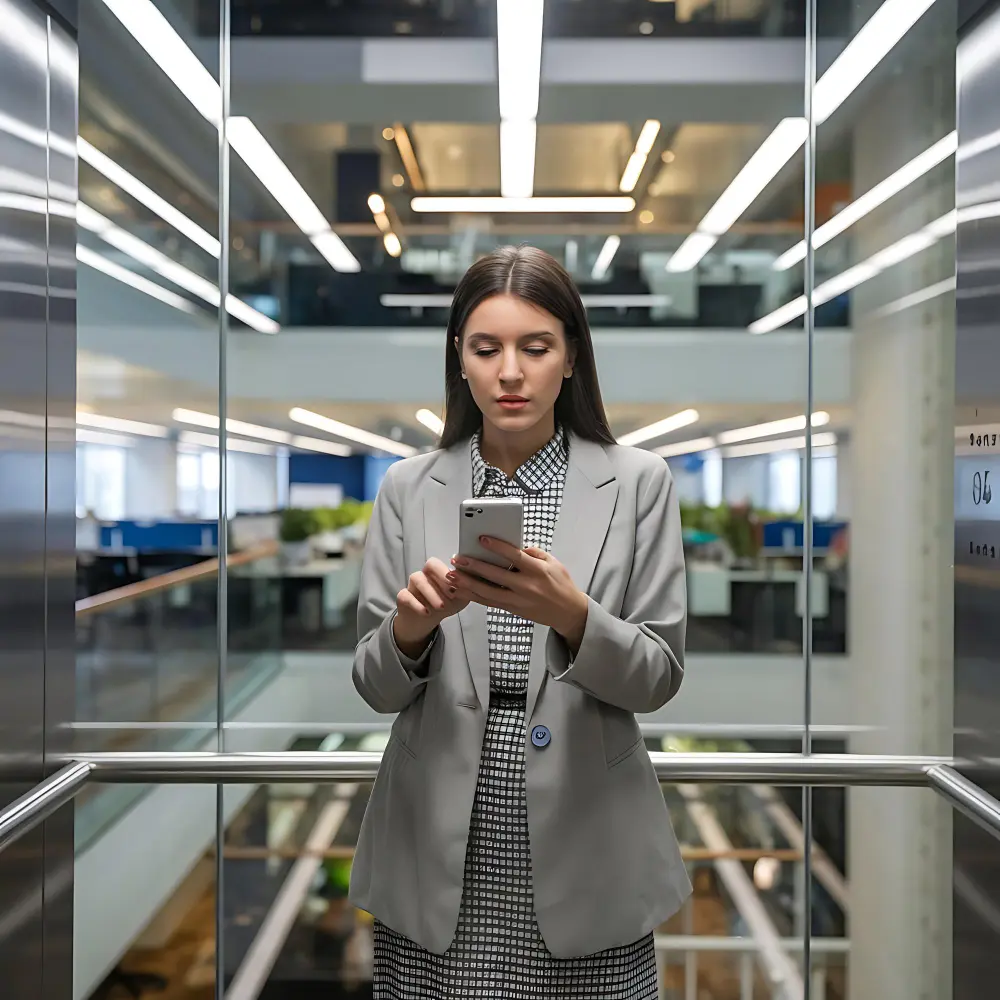
Smartphone integration allows users to:
- Call elevators via an app
- Authenticate access digitally
- Avoid physical panels entirely
This is especially useful in:
- Corporate offices
- IT parks
- Premium residential complexes
Mobile access also enables:
- Temporary permissions
- Visitor management
- Usage tracking
Access Cards & Biometric Integration
Smart elevators can integrate with:
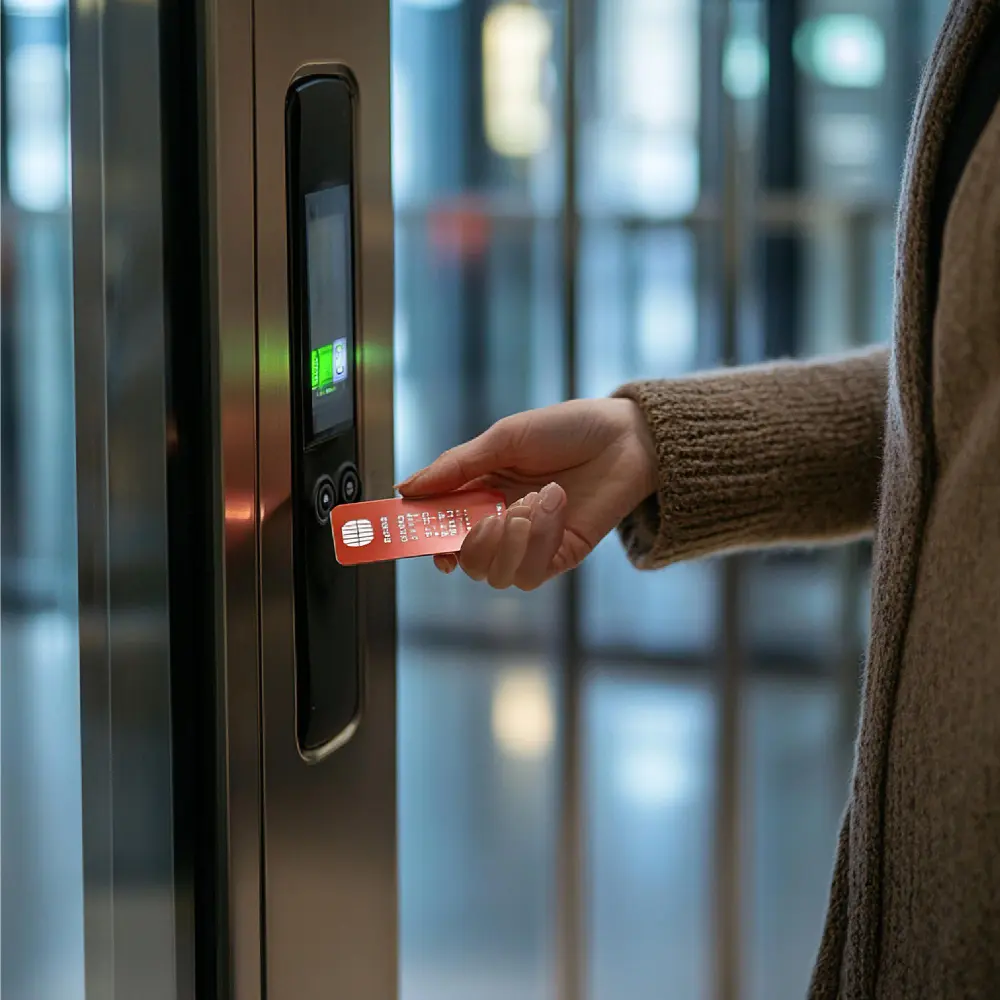
- RFID access cards
- Facial recognition
- Fingerprint systems
- QR-based credentials
These systems:
- Restrict access to authorized floors
- Improve security
- Reduce misuse
- Enable better traffic segmentation
Hospitals, industrial facilities, and commercial buildings benefit significantly from controlled vertical access.
Touchless Interfaces: What Actually Works?
Not all touchless ideas are equally practical.
Proven, widely adopted solutions include:
- Destination kiosks with antimicrobial surfaces
- Mobile app-based calling
- Card-based access control
Emerging but limited-use solutions:
- Voice commands
- Gesture controls
The key is reliability over novelty.
Hygiene Is Only One Part of the Equation
A common mistake is treating touchless elevators as a hygiene upgrade alone.
In reality, these systems also:
- Improve traffic efficiency
- Reduce waiting times
- Enhance user flow
- Support building security policies
The value is operational, not cosmetic.
Where Touchless & Smart Access Elevators Make the Most Sense?
These systems are particularly effective in:
- Hospitals and healthcare facilities
- Commercial offices and IT parks
- Corporate campuses
- Premium residential buildings
- Institutional and government buildings
In purely low-traffic residential buildings, simpler solutions may suffice.
Challenges That Must Be Considered
Smart access systems require:
- Proper user education
- Robust backend support
- Reliable connectivity
- Maintenance-ready infrastructure
Poor implementation can cause:
- User confusion
- Access delays
- System misuse
Design clarity is essential.
The Vertis View on Touchless Elevator Design
At Vertis Elevators, touchless and smart access solutions are recommended only where they add genuine value.
System selection considers:
- Building usage patterns
- User demographics
- Security requirements
- Long-term serviceability
The objective is not to impress, but to improve daily experience and safety.
Technology should simplify movement, not complicate it.
Before Adopting Touchless Elevator Systems, Ask This
- Who will use the system daily?
- How intuitive is the interface?
- What happens if connectivity fails?
- Can it be serviced easily?
Clear answers ensure smooth adoption.
Call: +91 9028 00 3111 | WhatsApp Support Available
Email: support@vertiselevators.com
Related Post
Safety Can’t Wait.
Book a free safety audit with Vertis Elevators and ensure your building meets every standard - protecting people and your reputation.
Leave a Comment




Comments (0)
No comments available.